
-
Regular price $149.00Regular priceUnit price per
$212.86Sale price $149.00 -
Regular price $137.92Regular priceUnit price per
$197.03Sale price $137.92 -
Regular price $119.00Regular priceUnit price per
$170.00Sale price $119.00 -
Regular price $116.00Regular priceUnit price per
$165.71Sale price $116.00 -
Regular price $119.00Regular priceUnit price per
$170.00Sale price $119.00 -
Regular price $119.00Regular priceUnit price per
$170.00Sale price $119.00 -
Regular price $124.00Regular priceUnit price per
$177.14Sale price $124.00 -
Regular price $124.00Regular priceUnit price per
$177.14Sale price $124.00 -
Regular price $149.00Regular priceUnit price per
$212.86Sale price $149.00 -
Regular price $149.00Regular priceUnit price per
$212.86Sale price $149.00 -
Regular price $151.00Regular priceUnit price per
$215.71Sale price $151.00 -
Regular price $151.00Regular priceUnit price per
$215.71Sale price $151.00

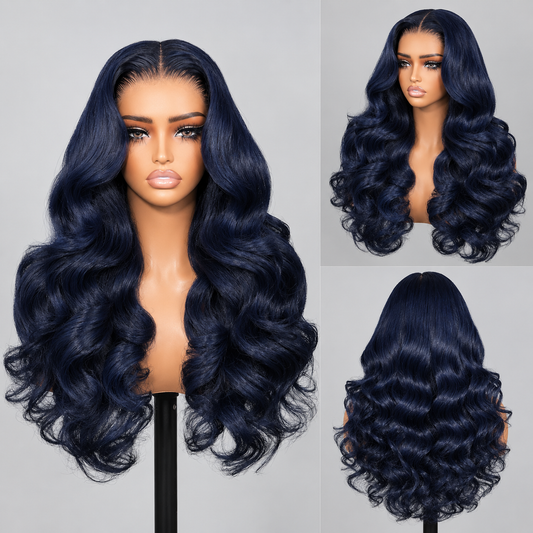


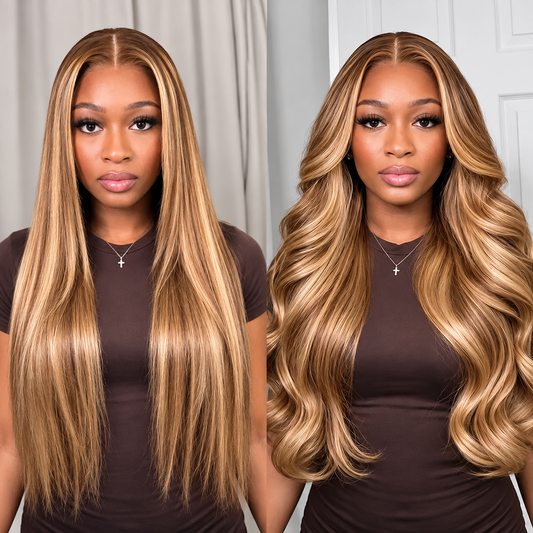

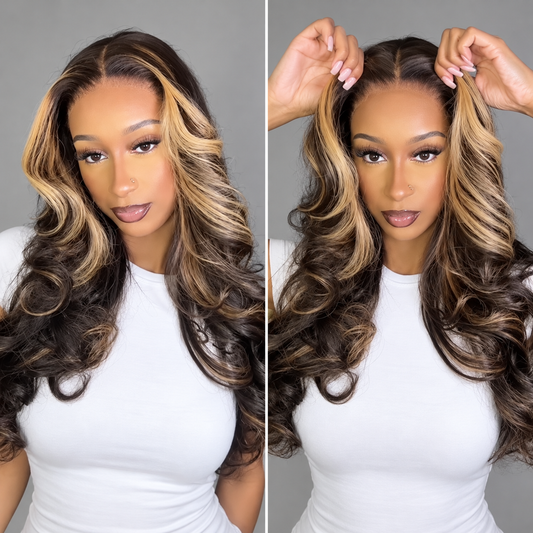

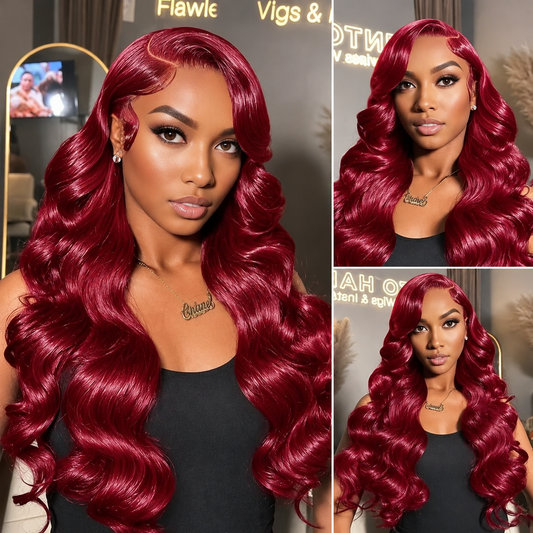

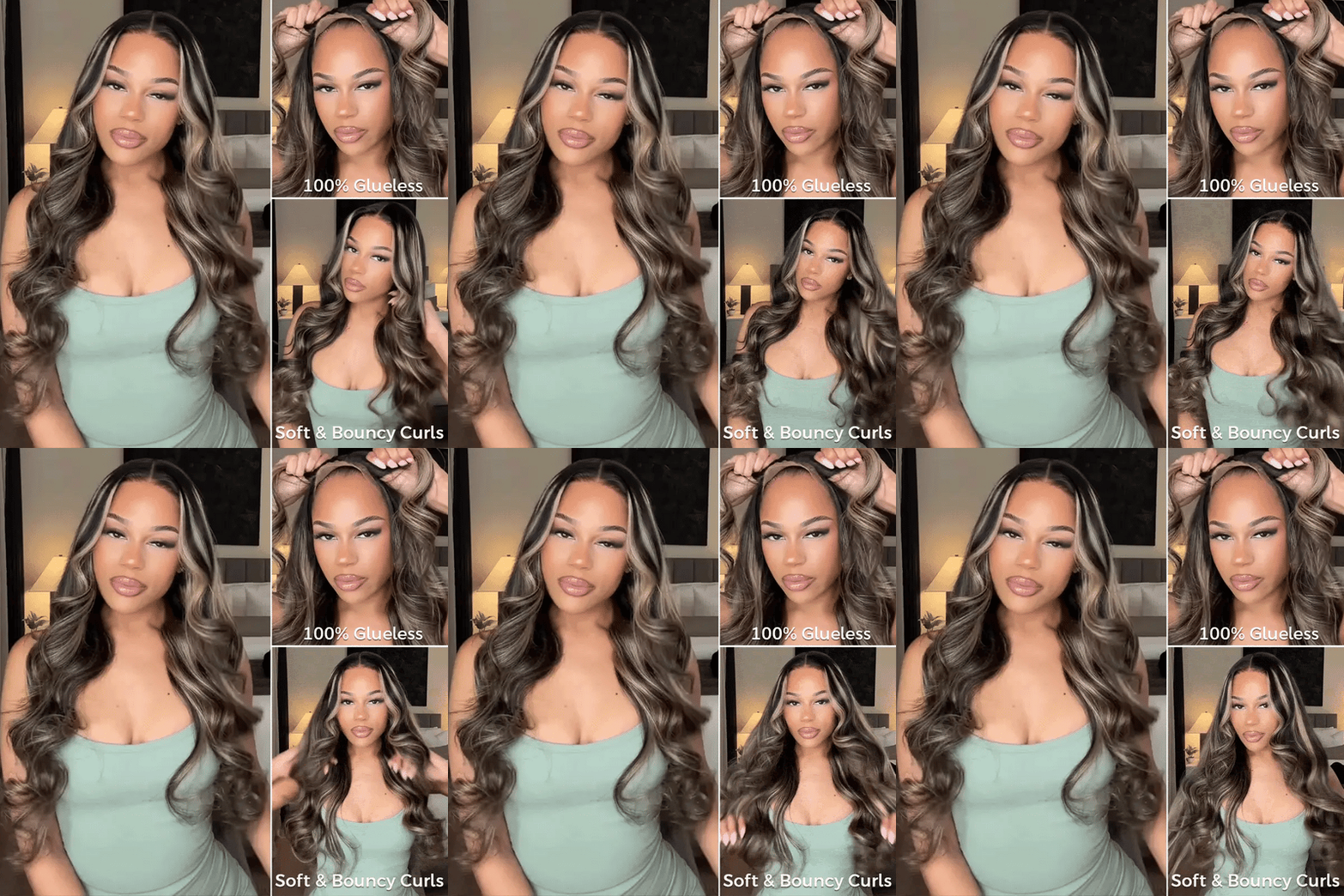

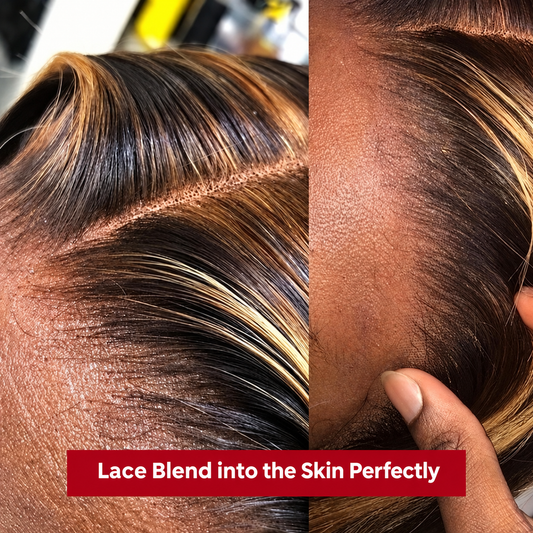



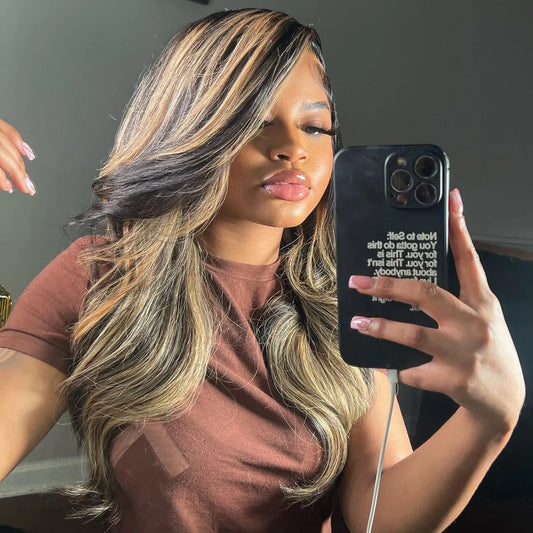

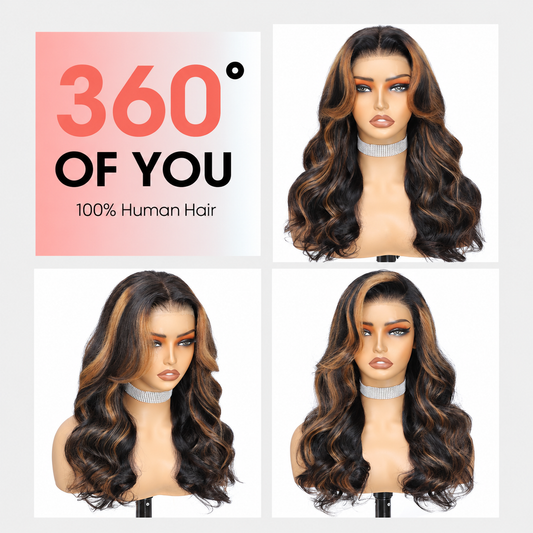

A colored wig only convinces when the color sits on real hair. These are colored human hair wigs — the color is dyed into 100% human hair, not sprayed onto synthetic fibre, so it takes light the way grown-out color does, it moves with the texture instead of stiffening it, and you can curl or straighten it with heat. The collection runs from 14 to 32 inches, mostly body wave, across every cap Beluck builds: 6x6, 9x6 and 7x6 closures, 13x6 fronts, 360s, bobs and one U-part.
Everything here sorts into three families: burgundy and wine tones, blonde highlights, and the statement colors. Which family you pick changes how the wig reads from across a room.
99J burgundy wigs: the red family
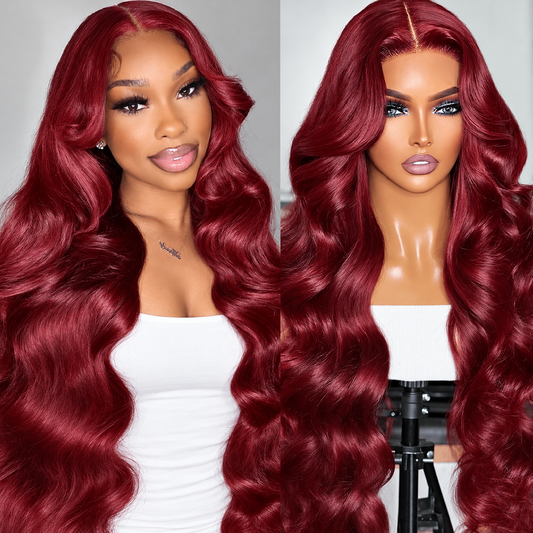
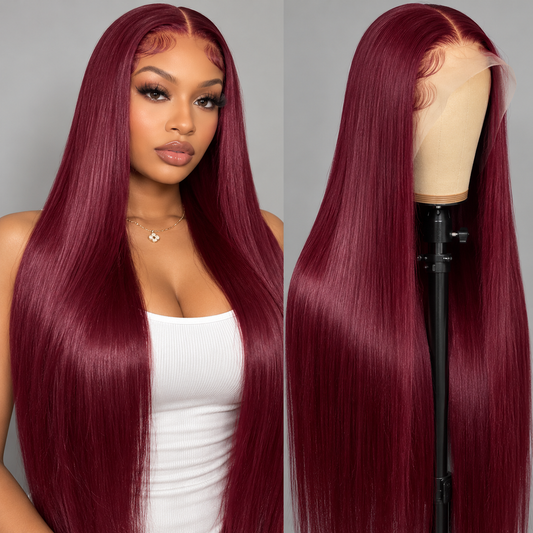
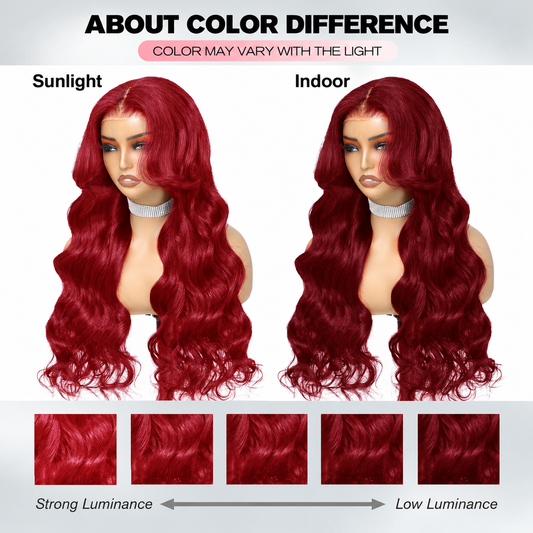
99J is the standard burgundy shade — a deep wine red that looks almost black indoors and reads red in daylight. It is the most-worn color in the collection, built on more cap types than any other shade: a straight 13x6 front, a body wave 9x6 and a 6x6 closure, plus a 7x6 with curtain bangs and a layered bob with curtain bangs.
Around 99J sit the other wine tones. Black cherry is burgundy pulled darker — the red only shows where the light hits, which is what makes the black cherry bob read as a natural dark color rather than a dye job. #33 reddish brown is the same idea one step further toward brown, for work environments where wine red is too loud.
Highlight wigs: blonde on a dark base
The highlight family is the largest in the collection, and it works differently from a full blonde dye. A dark base — 1B off-black or a natural brown — stays at the root and underneath, and the blonde is lifted through the mid-lengths and ends. The result is dimension: the color moves when the hair moves, and the dark root means no visible demarcation line as the unit ages.
The shade codes tell you the mix. 1B/27 pairs off-black with honey blonde. P4/27 uses a brown base instead, which softens the contrast. 4/27 ombre blends the same two shades gradually down the length rather than in streaks, and 1B/22 is the boldest of the fixed mixes — a clean blonde against the black base. The P4/27 body wave closure and the 1B/22 face-framing bob are the two ends of that range: soft dimension versus outright contrast.
Beyond the numbered codes, the balayage builds paint the blonde on by hand so the streaks are uneven on purpose — closer to what a colorist charges four figures for in a salon. The layered-cut units with curtain bangs carry the highlight forward into the face, which is the frame most people are actually buying a highlight wig for.
Statement colored wigs: red, blue, ginger
Three shades here are worn to be noticed. Bright red is a true fire-engine tone with no brown in it, the loudest unit on a body wave base. Midnight blue is the inverse — near-black until it moves, then unmistakably blue, which is the statement color that still passes in an office. Ginger orange is the warmest of the three, close to a natural copper on the right skin tone.
All three are built on the 13x6 HD lace front, glueless, pre-plucked. The dye saturation on a statement shade is total — there is no natural root — so they read as a deliberate choice, not a mistake.
Which cap each color comes on
Color and construction are independent choices here, but not every combination exists. The closures — 6x6, 9x6 and the one 7x6 — carry the highlight and burgundy families, and they suit anyone who parts in one place and wants the least lace to maintain. The 13x6 fronts carry the full range including the statement colors and the longest units. The highlight ombre 360 and the ombre brown 360 are the two colored units you can pull into a high ponytail, and the bobs concentrate the color at face level, where it does the most work.
One build stands apart: the highlight U-part wig. A U-part leaves a thin window of your own hair out at the crown, blended over the unit. It needs no lace at all, no glue, and the color reads as your own from the part down — the most natural installation in the collection, in exchange for blending your leave-out with the unit's texture.
Lengths, textures and density
Color changes how length reads, and it is worth sizing with that in mind. The 13x6 fronts run 14 to 32 inches, the closures 14 to 30, and the bobs run 14 to 18 at the shortest with one long bob to 26 — on a dark unit a 30-inch fall reads as sheer length, while on a bright red or midnight blue unit the same length reads as costume. Most first-time color wearers settle between 20 and 24 inches, where the color has room to show but the unit still passes as an everyday install.
Texture is deliberately narrow. Body wave carries most of the collection because an S-pattern shows off a two-tone mix — on straight hair a highlight reads as stripes, and on body wave it reads as light moving through the hair. The straight builds are the exception, and they suit the burgundy family, where the color alone is the statement. One deep wave and one kinky body wave round out the range for anyone who wants the color on a tighter pattern.
Density follows the same 180% to 300% ladder as the rest of the store. On colored units density matters less at the front and more at the ends, where a lifted shade shows the wefting if the hair runs thin — 220% is the default here for exactly that reason.
Caring for colored human hair
Color is the first thing to go on any dyed unit, and the care routine is what decides whether it lasts. Three rules cover most of it. Wash cool — hot water opens the cuticle and lifts the dye with it. Use a sulfate-free shampoo and a color-safe conditioner; sulfate is what fades salon color in two weeks and it does the same here. And cut the heat: every pass of a flat iron at full temperature dulls the tone a little, so use a heat protectant and the lowest temperature that still styles.
Between washes, a color-depositing conditioner tops the shade back up — burgundy and red families especially, because red molecules are the largest and wash out first. The blonde highlights are the most stable, which is one reason that family is the biggest in the range.
| Family | Shades | Reads as | Fades |
|---|---|---|---|
| Burgundy / wine | 99J, black cherry, #33 | Deep color with red in daylight | First — red molecules wash out |
| Highlight / blonde | 1B/27, P4/27, 4/27, 1B/22 | Dimension, dark root, grown-out color | Slowest — no red to lose |
| Statement | Bright red, midnight blue, ginger | A deliberate choice, no natural root | Visible as it lifts — tone often shifts |
The full colored wig range is below, filterable by length, density and cap. If the lace rather than the color is the decision, the HD lace front collection and the glueless collection are organized the other way round.
Colored Wigs: frequently asked questions
Are these colored wigs made of human hair?
Yes. Every unit in the collection is 100% human hair with the color dyed in, not synthetic fibre with color sprayed on. That is why the tone takes light naturally and the hair can be heat-styled.
Can I dye a colored wig further?
You can darken it easily — going from 1B/27 to a solid 1B, for example. Lifting colored hair lighter is harder, because the existing dye has to be stripped first and that damages the hair. Strand-test from the nape before any full process, and keep product off the lace.
What color is 99J?
A deep wine burgundy. It reads almost black indoors and shows red in daylight. Around it in the same family: black cherry, which is burgundy pulled darker, and #33 reddish brown, which is one step toward brown.
What is the difference between a highlight wig and an ombre wig?
Highlights are streaks of blonde placed through a dark base, concentrated in the mid-lengths. Ombre is a gradual blend from dark at the root to light at the ends with no streaks. A balayage build is highlights painted on by hand, so the placement is uneven on purpose.
How do I keep the color from fading?
Wash cool, use a sulfate-free shampoo and a color-safe conditioner, and cut the heat — every high-temperature pass dulls the tone. A color-depositing conditioner between washes tops the shade back up. Red and burgundy families fade first because red molecules are the largest and wash out most easily.
Do colored wigs need a different cap or lace?
No. The color does not change the construction — the same units come in natural shades elsewhere in the store. Pick the cap the way you always would: closures for a fixed part, a 13x6 front for parting freedom, a 360 for high buns.